
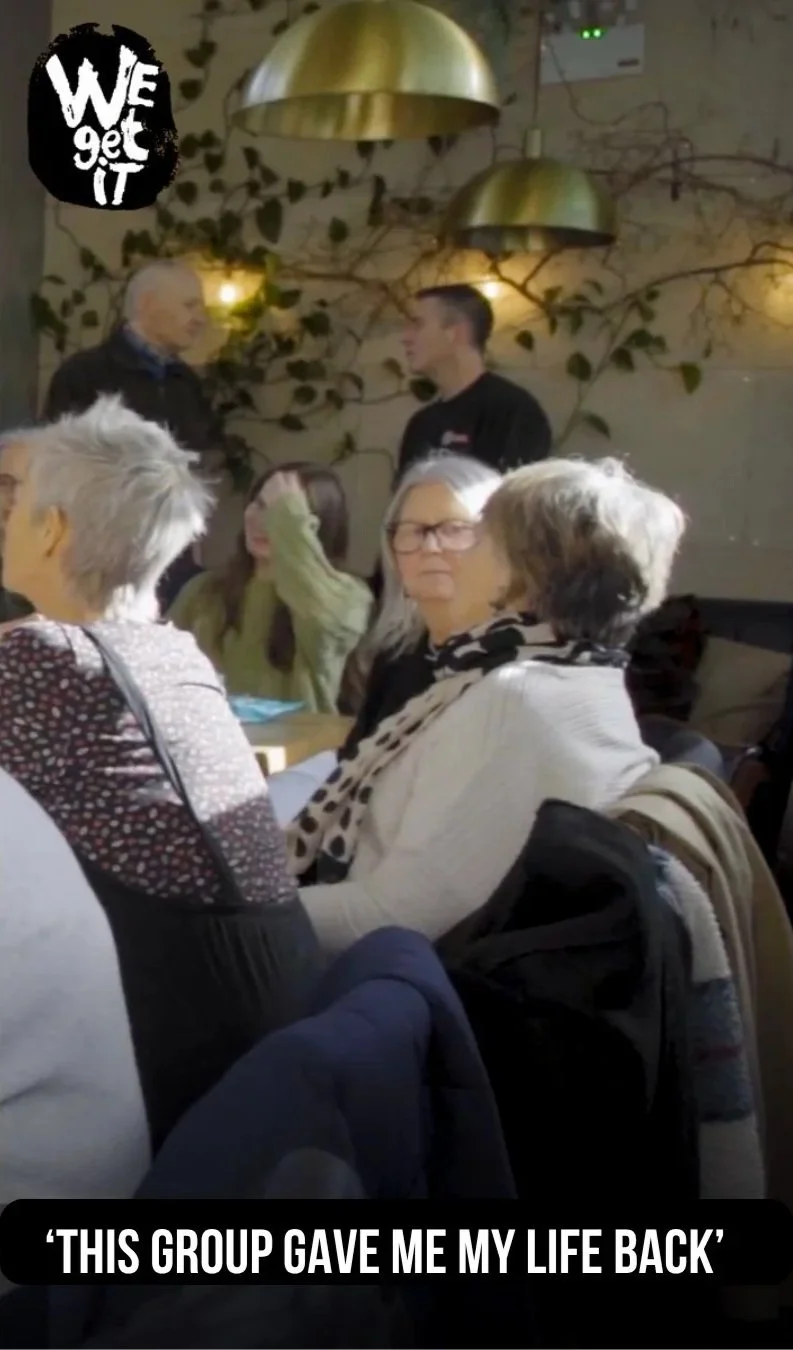
We Get It is a Bath-based cancer support charity providing opportunities for people affected by cancer to connect, share experiences and access holistic support.
Its distinctive approach combines peer-to-peer support, social connection, outdoor wellbeing activities and a welcoming community for people living with and beyond cancer.
The charity has ambitious plans to extend its reach, support more people and build a more inclusive community across Bath and the surrounding region.
As Fundraising & Engagement Trustee, my role is to provide strategic guidance to the Charity Manager and Marketing Manager, helping develop a sustainable growth strategy that connects income generation, community engagement and the charity's long-term ambitions.
We Get It
Fundraising & Engagement Strategy | Charity growth plan
The Challenge
We Get It had developed a valued and valuable community offering, but its income model was heavily dependent on grants and a small number of fundraising activities.
An assessment of existing income identified that approximately 64% came from trusts and grants, while individual giving accounted for just 1.5%.
This concentration created financial vulnerability and limited the charity's ability to confidently plan for growth.
At the same time, much of the fundraising activity was supported by people already connected to the charity, creating a risk of repeatedly asking the same community for financial support.
The charity also faced a wider marketing challenge: awareness outside its existing community was relatively low, despite ambitions to reach more people across different age groups, genders and socioeconomic backgrounds.
With limited resources, the challenge was to develop a strategy that could strengthen financial resilience while creating the foundations for sustainable community growth.
How to grow a charity when your funding model creates financial risk?
The Strategic Insight
Build the foundations for growth before investing in greater awareness.
The immediate opportunity was not simply to generate more donations or launch a high-profile marketing campaign but to address the underlying business model.
Sustainable growth requires a more diversified income base, a clearer understanding of the charity's impact and a phased approach that matched ambition with available resources.
Rather than trying to pursue every opportunity simultaneously, I recommended prioritising the activities most likely to strengthen income generation and organisational capability.
Crucially, it was vital to establish a robust approach to impact measurement because understanding how many people the charity supports, the difference its services make and the cost of delivering that support will provide a baseline for measuring future growth.
It will also strengthen the charity's ability to communicate its value to grant funders, individual supporters and potential corporate partners. The strategic principle was straightforward - establish financial resilience, demonstrate impact and build organisational capability before accelerating audience growth.
The Approach
Establishing impact as a foundation for growth
Developing a diversified income strategy
Connecting fundraising with audience and community
Creating a phased roadmap for sustainable growth
After reviewing the charity's income sources, operating costs and growth ambitions a high degree of financial risk was identified along with huge opportunity. With approximately 64% of income coming from grants, the priority was to develop a more balanced funding model that would reduce dependency on a single income stream and provide greater financial resilience.
My first recommendation was to strengthen impact reporting, establishing clear measures of community reach, wellbeing outcomes and the cost of delivering support. This would provide a benchmark for future growth, inform investment decisions and strengthen the charity's ability to demonstrate its value to funders, supporters and corporate partners.
I recommended focusing on three priority income streams for 2027: fundraising events, individual giving and corporate partnerships. The strategy builds on existing community fundraising activity while developing new opportunities for recurring donations and partnerships with local businesses, creating a broader and more sustainable funding base.
Recognising that much of the charity's fundraising had come from its existing community, I encouraged a more outward-looking approach. By connecting fundraising with local partnerships, events, storytelling and stakeholder engagement, the strategy aims to attract new supporters while extending awareness of the charity among people who may benefit from its services.
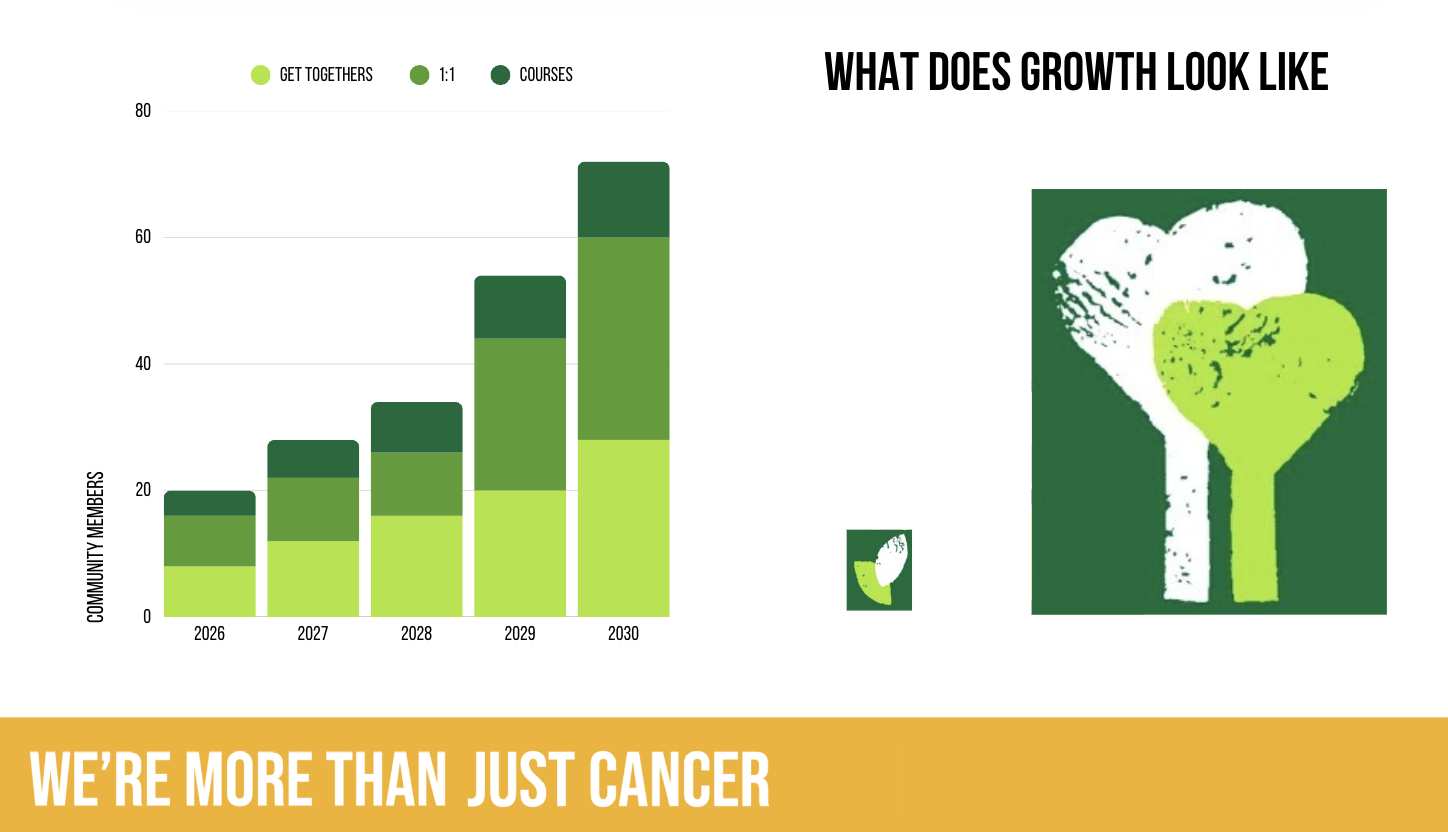
With limited resources, prioritisation was essential so we created a phased roadmap that focuses on strengthening income generation, impact measurement and organisational capability throughout 2027, before considering a wider local awareness campaign in 2028. This ensures that investment in marketing and audience growth is aligned with the charity's financial resilience and capacity to support more people.
Strategic Outcomes
Impact Reporting
To help We Get It better understand the reach and effectiveness of its services, demonstrate its value to stakeholders and make more informed decisions about future investment, the charity is developing its first impact report.
Diversified Fundraising
Website analytics recorded an increase in annual unique visitors from 6,000 to 12,000 alongside:137% growth in organic search traffic and 134% growth in direct traffic. These results reflected growing digital visibility and a stronger mix of website acquisition channels.
Communications Manager
From the Bath clinic launch to the opening of a second location, now


Learnings
Three lessons from launching an unfamiliar premium proposition
1
When your proposition is unfamiliar, credibility comes before conversion.
Customers need reasons to trust and understand what you're offering before they'll make a significant investment. Education, relevant advocates and a distinctive market position can help bridge that gap.
2
Build marketing assets that become more valuable over time.
Paid advertising can help test demand and generate early traction. But investing in useful content, search visibility and brand recognition can create longer-term sources of customer interest.
3
Growth comes from the whole proposition, not just promotion
Marketing isn't simply about generating enquiries. How a service is packaged, priced and delivered can have a substantial impact on its commercial value
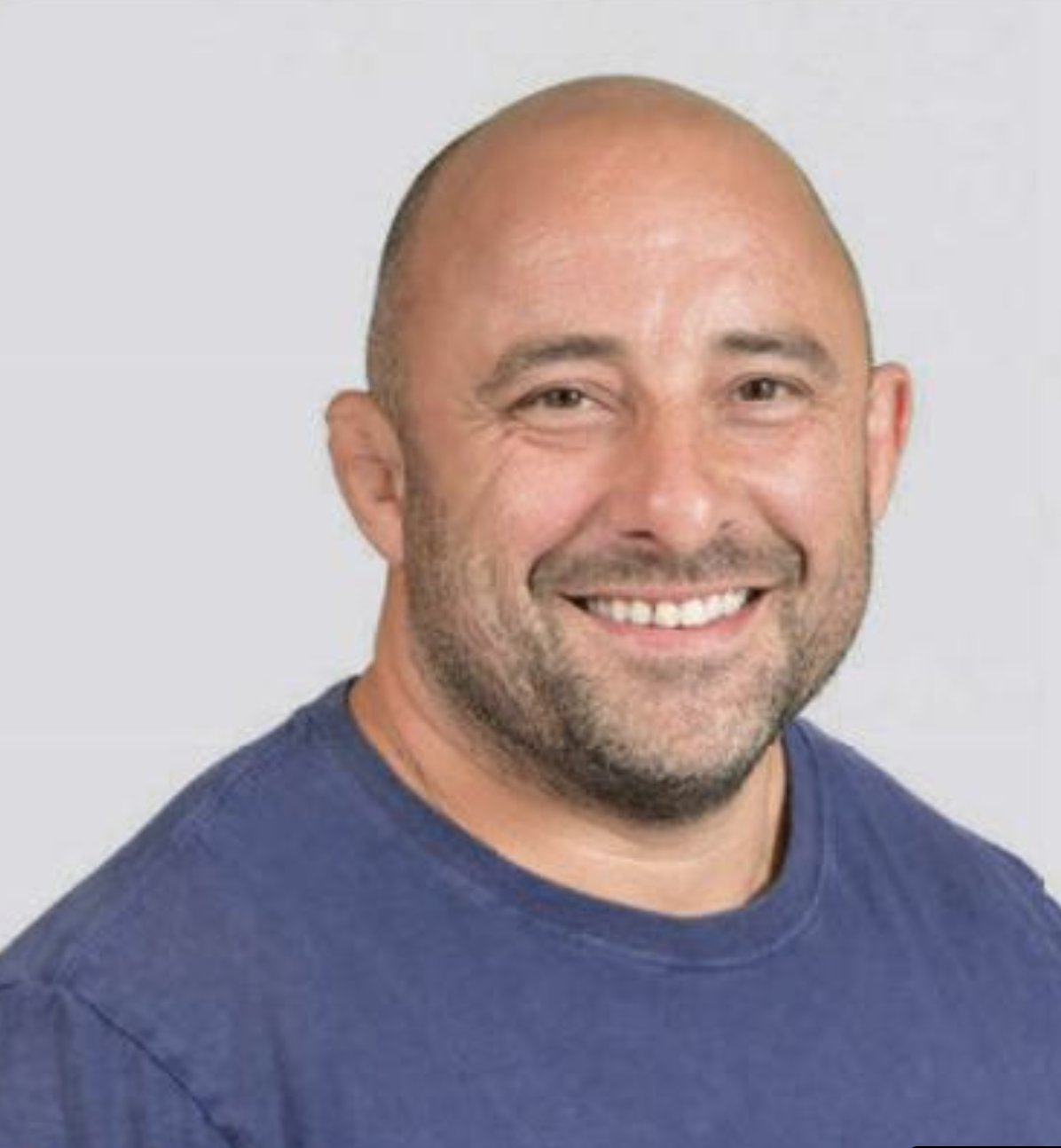
“In a former life I was a professional rugby player. My elbows were shot, absolutely shot. Incredibly painful at all times. I was pretty cynical about MBST and I’d tried everything even surgery. Somehow it worked. I'll level with you. I don't know how. It just works.”
-- David Flatman, former Bath Rugby and England International player