

Combe Grove is a longstanding Bath hospitality and leisure destination with an established membership community, many of whom had maintained a relationship with the property for more than 30 years, across different owners.
The organisation embarked on an ambitious transformation from a commercial hospitality business into a charitable centre for health and wellbeing, with education and sustainability at the heart of its new purpose.
Its emerging proposition focused on metabolic health, nutritional wellbeing, nature-based therapies and therapeutic fasting.
As a member of the leadership team, I was responsible for developing and implementing marketing strategy while contributing to the wider repositioning of the organisation, its customer experience and its people.
Combe Grove
Business transformation | Brand strategy | Membership growth | Marketing leadership
The Challenge
How do you transform a longstanding business without losing the loyalty of its existing customers?
Combe Grove's transformation required much more than a change in brand identity.
The organisation was moving towards an entirely different operating model, with new charitable objectives, a new health and wellbeing proposition and an ambition to become a centre for learning through apprenticeships.
At the same time, it had an established membership community, predominantly aged 55–75, with strong emotional connections to the property and its heritage.
Maintaining the trust and loyalty of these members was essential while the organisation developed its new direction.
The arrival of the COVID-19 pandemic created an additional challenge. Restrictions and uncertainty disrupted normal operations, while members were looking for safe, supportive environments where they could maintain their wellbeing and sense of connection.
The immediate priority became protecting membership revenue and engagement while continuing to build the foundations for the organisation's longer-term transformation.
The Strategic Insight
It was recognised that Combe Grove's longstanding membership community was one of its greatest assets.
Many members had been connected to the property for decades. They valued not only the facilities but also the familiarity, relationships and sense of belonging it provided.
Rather than approaching the transformation as a completely new launch, the strategy needed to preserve these existing relationships while gradually introducing a new proposition.
During the pandemic, this became particularly important.
Members were seeking opportunities to connect in environments where they felt safe and supported. By responding to those needs through tailored communications, appropriate safety measures and a relevant membership offering, Combe Grove could reinforce the value of belonging to its community.
Alongside this immediate commercial priority, I researched the emerging health and wellbeing market and advised on the development of a proposition built around metabolic health, nutrition, nature and education.
Build on the trust you've already earned while creating a compelling reason for customers to stay.
The Approach
Developing a strategy to support business transformation
I developed the marketing strategy and plan to support Combe Grove's transition from hospitality towards a charitable health and wellbeing organisation.
This involved researching the emerging proposition, advising on its positioning and aligning marketing priorities with the organisation's charitable ambitions.
Education and sustainability became central themes, supported by a growing focus on metabolic health, nutrition and nature-based wellbeing.
2. Protecting and growing the membership community
I developed and implemented membership acquisition and retention strategies, recognising the importance of the existing community to the organisation's commercial stability.
During the pandemic, marketing focused on understanding members' changing needs and communicating the measures introduced to help them feel safe and supported.
The strategy combined member engagement, email communications, digital marketing and acquisition activity, helping maintain confidence and strengthen the sense of community.Membership stabilised and subsequently grew by +10% during the pandemic.
3. Repositioning the brand and strengthening marketing communications
I led the development and delivery of integrated marketing activity to support the organisation's evolving identity and commercial objectives.
This included website redesign, SEO strategy, digital advertising, social media, email marketing, content creation, copywriting, photography, print advertising and PR. PR became the major focus over the subsequent 12 months and a freelance PR professional was appointed.
The objective was to maintain engagement with existing members while introducing the emerging health and wellbeing proposition to new audiences.
4. Bringing the new proposition to life through experience
The transformation needed to be experienced, not simply communicated. Drawing on my interior design experience, I supported and project managed the visual transformation of the Coach House, helping create a physical environment aligned with Combe Grove's emerging vision for nature-based wellbeing, nutrition and restorative experiences.
Marketing also took responsibility for the events programme and supported the launch of the Combe Grove shop, including researching and sourcing products from local and sustainable brands.These projects helped translate the organisation's values into tangible experiences for members and visitors.
5. Building a marketing team through the apprenticeship programme
The organisation's charitable ambition to become a centre for learning required a different approach to developing its workforce.
Working alongside the Head of HR, I supported the implementation of the apprenticeship programme and took responsibility for recruiting, training and mentoring a team of degree-level marketing apprentices, many of whom have gone on to great marketing careers.
This involved developing their practical marketing skills while providing the guidance and structure needed to support the organisation's day-to-day marketing activity.
The approach connected marketing delivery with Combe Grove's wider educational purpose, demonstrating how developing people could become an integral part of the organisation's operating model.
The Impact
A performing team
Recruited, trained and mentored a team of marketing apprentices, contributing to the organisation's ambition to place education at the heart of its charitable model.
Rebrand and Repositioning
Through market research, strategic advice and brand development, I contributed to Combe Grove's transition towards a charitable centre for metabolic health and wellbeing. This helped connect the organisation's evolving purpose with its positioning, marketing communications and customer experience.
10% membership uplift
Despite the disruption caused by the pandemic, a change of ownership and price increases, membership was stabilised and grew by 10%
Client Experience


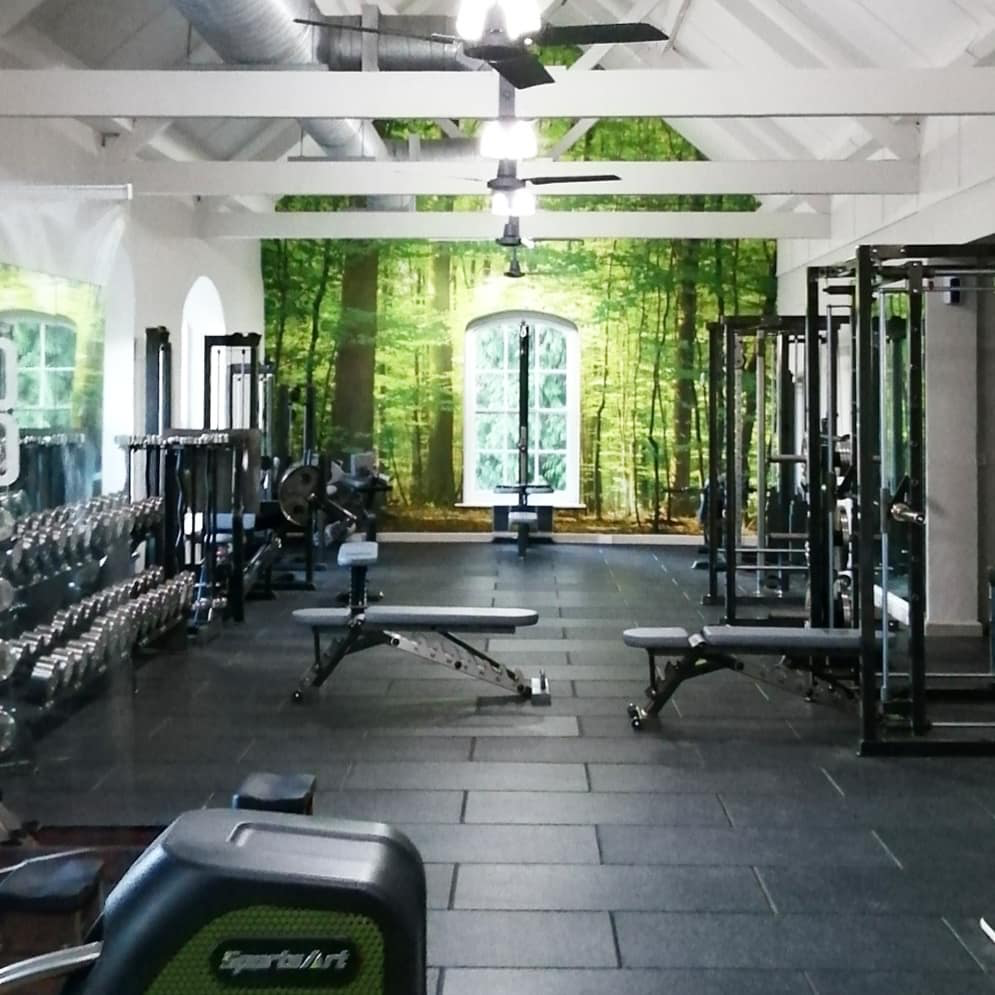

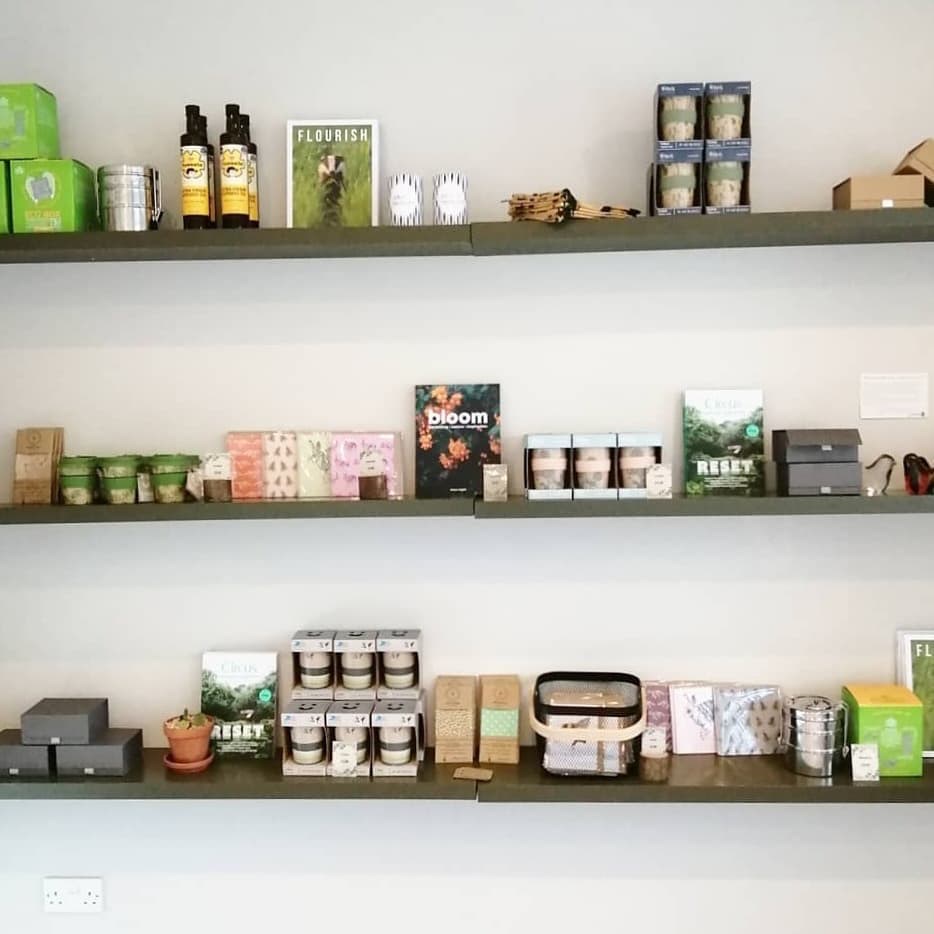
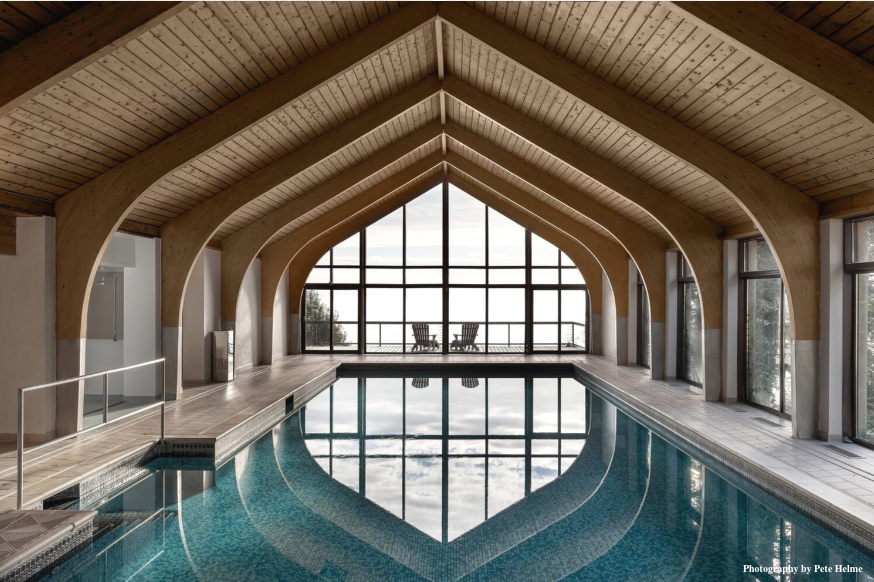
As part of the rebrand and repositioning, one of the key projects I was pleased to lead was the redesign of The Coach House and addition of the members’ shop that served nutritious post work out refreshments, ready meals with ingredients from The Estate and local gifts. Both important brand touchpoints that supported the rebrand through customer experience
Learnings
Four lessons from repositioning an established business
1
Don't overlook the value of your existing customers.
During periods of change, longstanding customer relationships can provide stability, loyalty and valuable insight. Understanding what customers value is essential before introducing a new proposition.
2
Adapt your strategy when customer needs change.
The pandemic created new priorities for Combe Grove's membership community. Responding to those needs helped the organisation maintain engagement and achieve growth during an exceptionally challenging period.
3
Developing people is part of building a sustainable business.
Marketing capability isn't simply about recruiting experienced specialists. With the right leadership, training and support, developing new talent can strengthen organisational capability while supporting wider business objectives.
4
Successful repositioning requires alignment between strategy, customer experience, people, physical environments and organisational purpose.
A rebrand must go beyond marketing communications.
Does your marketing team need more structure, capability or strategic direction?
I help founders and growing organisations develop the marketing strategy, people and processes needed to support sustainable growth.