
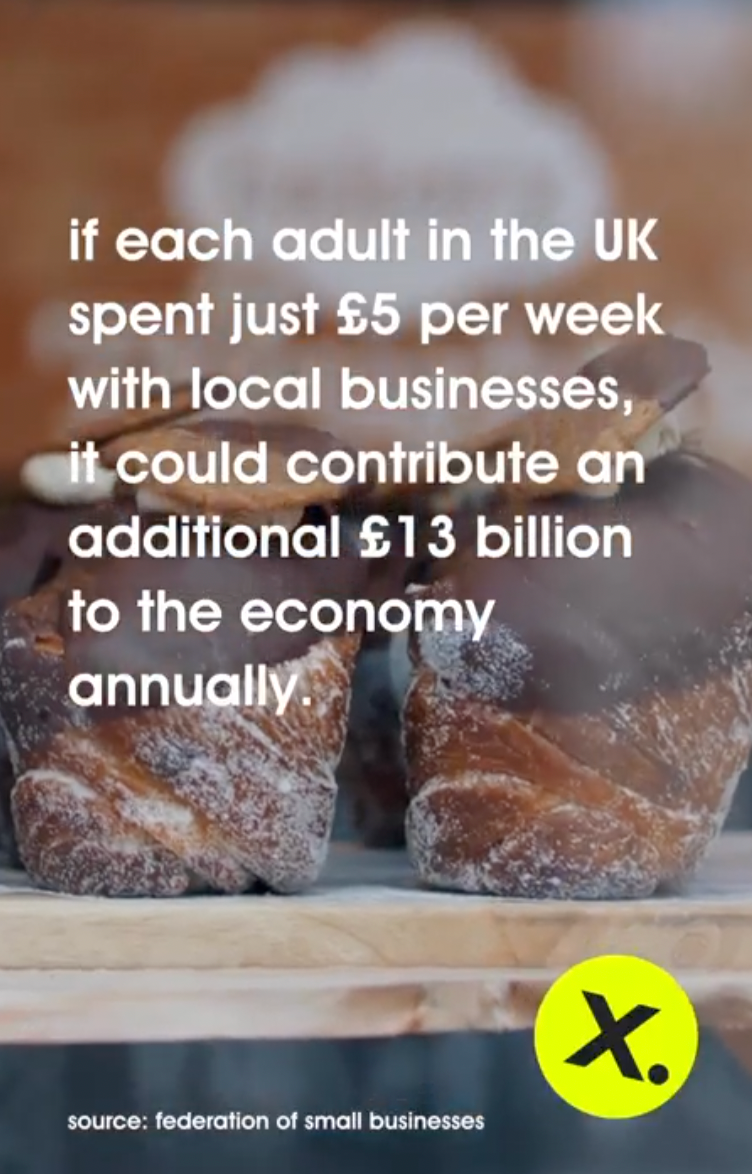
Xplore Local was an innovative fintech and community commerce platform designed to help independent retailers thrive by encouraging consumers to discover, support and spend with businesses in their local area.
Built using Open Banking technology, Xplore connected two distinct audiences through a payment and loyalty ecosystem.
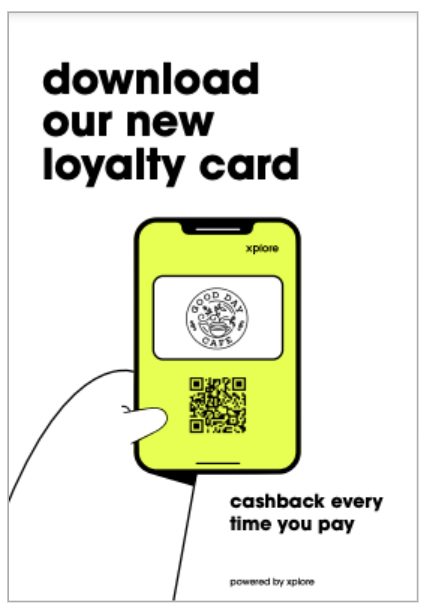
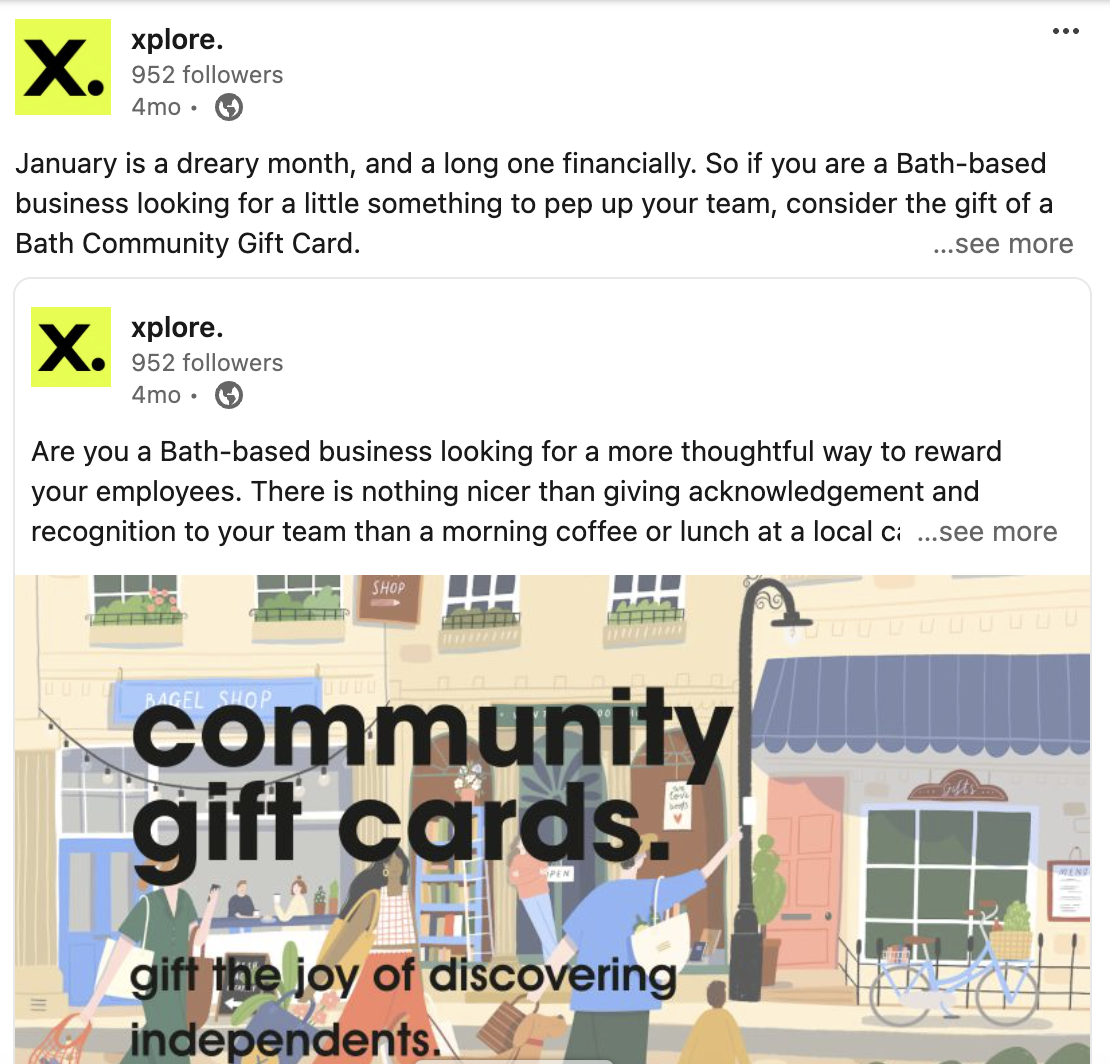
For consumers, the free app provided a way to discover independent businesses, earn loyalty rewards and make purchases using funds loaded into the app through a connected bank account.
For retailers, the subscription-based platform offered an alternative to traditional card payment systems, with the potential to eliminate conventional card transaction fees.
But Xplore's proposition went beyond payments.
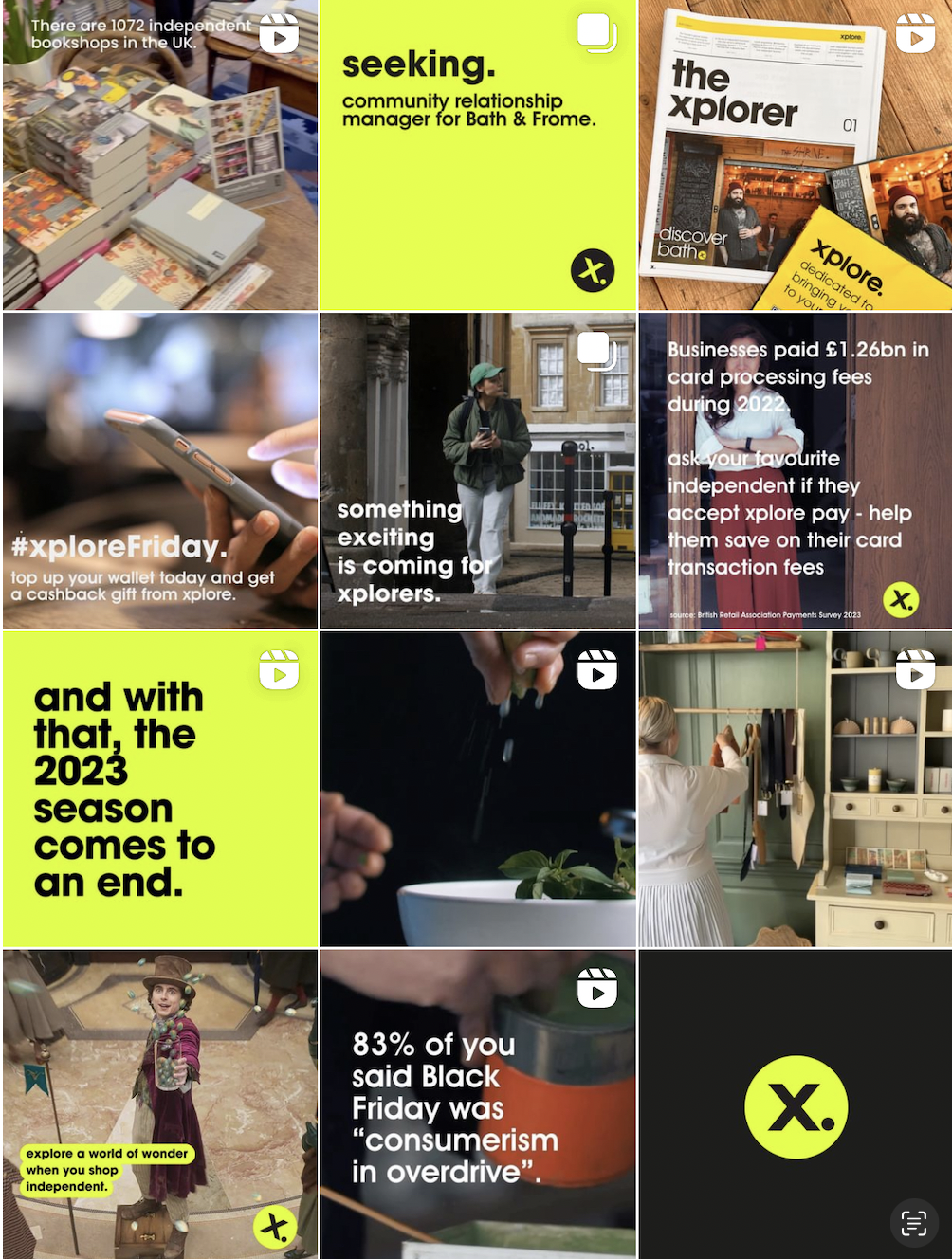
Retailers could build a following through their own content feed, communicate directly with customers and promote and sell tickets to events hosted at their physical premises.
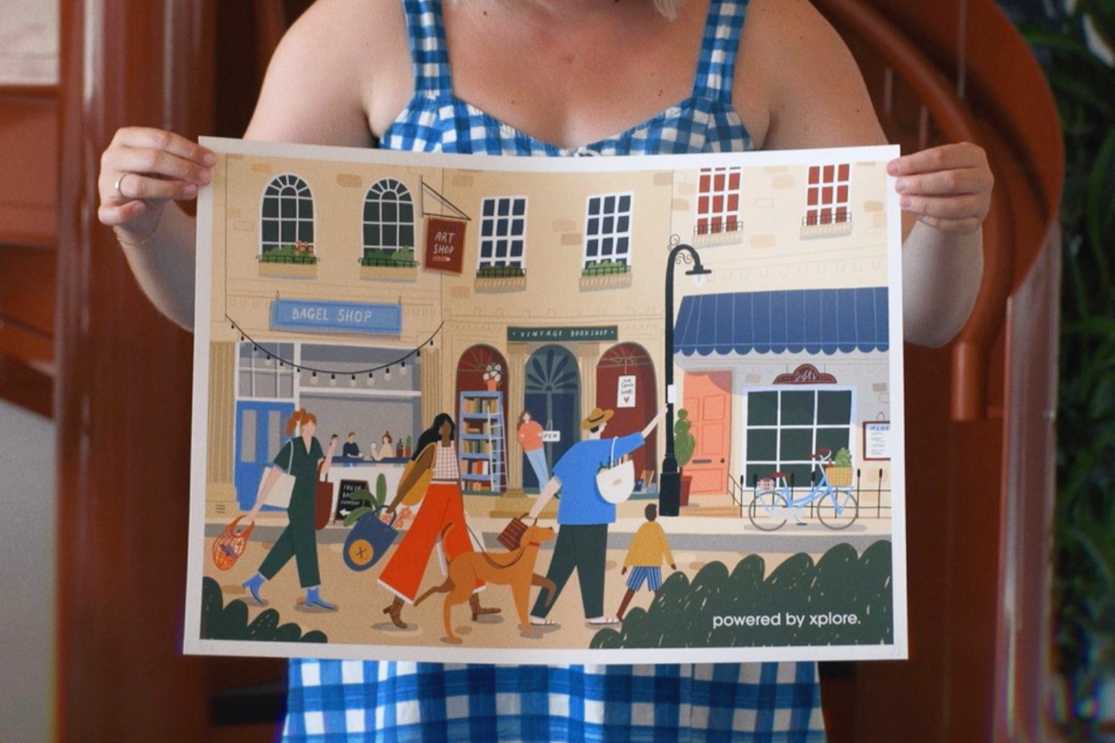
The vision was to create a digital community around the local high street, connecting independent businesses and consumers through commerce, loyalty and shared experiences.
I was brought in to develop the go-to-market strategy, establish the brand's market positioning and identify scalable routes to acquiring both retailers and consumers.
Xplore
Go-to-market strategy | Fintech | Strategic partnerships | Community growth
The Challenge
launch a marketplace when each side depends on the other for business success
Xplore faced a classic two-sided marketplace challenge. Consumers needed a compelling network of participating independent retailers before the app became useful enough to download and use regularly.
Retailers, meanwhile, needed confidence that joining a new subscription-based payment and engagement platform would attract customers and deliver commercial value.
Building both audiences simultaneously through traditional customer acquisition channels would require significant investment, particularly when entering multiple towns and cities.
The proposition was also complex. Xplore needed to explain the benefits of Open Banking, communicate how the payment process worked, demonstrate the value of its loyalty programme and persuade retailers to adopt a new commercial model.
At the same time, it needed to create a compelling emotional reason for consumers to change their shopping behaviour.
The challenge wasn't simply to market an app. It was to create the conditions in which a new local commerce ecosystem could become commercially viable.
The Strategic Insight
Don't build the marketplace one customer at a time. Build the community around it.
The conventional approach would have been to recruit retailers individually, then invest in consumer marketing to drive app downloads and usage.
I recognised that this would be a slow and potentially expensive route to achieving the critical mass required for a successful marketplace.
Instead, we identify organisations that already had established relationships with both independent businesses and local communities. Town councils, BIDs and local authorities shared an interest in supporting independent retailers, encouraging local spending and strengthening town-centre economies.
By positioning Xplore as a potential tool for local economic development, rather than another fintech product, we could align the commercial objectives of the platform with the priorities of these organisations.
This created a partnership-led route to market, offering the potential to onboard groups of retailers within a defined geographical area while building consumer awareness through trusted local channels. The strategic shift was from selling a payment app to individual businesses to building a proposition around the future of the local high street.
The Approach
Position the proposition around local economic growth
Develop a partnership-led acquisition strategy
Build local stakeholder engagement
Design a repeatable, community-led launch model
The first priority was to translate a technically complex fintech product into a clear, commercially relevant proposition for each audience.
For independent retailers, the proposition centred on eliminating conventional card transaction fees, building direct customer relationships and creating opportunities to increase repeat purchases through loyalty rewards, targeted communications and events.
For consumers, the focus was on discovering independent businesses, earning rewards for shopping locally and connecting with their community.
For local authorities and Business Improvement Districts, the opportunity was to support independent high streets, encourage local spending and strengthen local economic activity.
By aligning these distinct motivations around a shared community proposition, I established a clearer market position and a foundation for coordinated acquisition.
The greatest commercial challenge was achieving critical mass on both sides of the marketplace without the cost and complexity of acquiring retailers and consumers individually. I developed a partnership-led strategy that positioned local authorities, town councils and BIDs as potential distribution partners.
The model proposed working with organisations that already had established relationships with local businesses and a vested interest in the success of their high streets. This led to engagement with Frome Town Council, where we presented to the Head of the Town Council and developed a proposal for a town-wide initiative.
Under the proposed model, the council would fund a 12-month Xplore subscription for participating independent retailers, removing the initial subscription cost and creating an opportunity to establish a concentrated network of businesses.
To move the opportunity beyond a strategic proposal, we organised an engagement event at Frome Town Hall, bringing together local independent retailers. The event introduced the platform, demonstrated its commercial benefits and created an opportunity for businesses to understand how Xplore could support customer loyalty, engagement and local spending.
The proposed launch combined coordinated retailer onboarding with local press and PR partnerships, high-street brand activations, community engagement and retailer-funded incentives to encourage app downloads and first transactions.
The approach was deliberately phased: establish a credible network of participating retailers, build awareness through trusted local channels, then activate consumer demand through a coordinated town-wide launch. The strategy prioritised achieving meaningful participation within one community before replicating the model elsewhere.
The Impact
50+
signed up to Xplore Go the retailer facing open-banking application software
1000+
consumer app downloads demonstrating early interest in the consumer proposition
7000+
social media follows establishing an audience around the brand and its community-faced positioning
The early engagement with Frome Town Council icreated a potential route to coordinated retailer acquisition. More than 40 independent retailers attended the Town Hall event, representing engagement from a substantial proportion of the town's estimated 80 independent businesses. The council was prepared to fund six months of membership for participating retailers, offering a way to reduce the initial barrier to adoption. At the platform's subscription rates, full participation by 80 retailers would have represented a potential subscription value of £12,000–£19,200.


Learnings
Four lessons from developing a go-to-market strategy for a two-sided marketplace
Solve the distribution challenge, not just the marketing challenge.
1
When a business depends on attracting two different audiences, conventional customer acquisition may not be the most efficient route to growth. Strategic partnerships can provide access to established networks and create opportunities to reach multiple customers through a single relationship.
Build critical mass before chasing geographical scale.
2
For a community-based marketplace, value depends on the strength of participation within each location. Concentrating activity within a defined geographical area can create better conditions for adoption than spreading resources across multiple markets too early.
Different audiences need different reasons to believe.
3
Consumers, businesses and strategic partners may all value different aspects of the same proposition. Understanding what matters to each audience allows you to build a more compelling and commercially relevant go-to-market strategy.
A strong go-to-market strategy still needs a viable business plan.
4
A compelling proposition, stakeholder support and a clear acquisition strategy are important foundations for growth. But successful execution also depends on funding, operational readiness and the resources needed to deliver. Unfortunately, the investment was not secured to deliver the product past beta test despite the Go To Market strategy being in place.
Despite securing partnership opportunities, retailer sign-ups, consumer downloads and audience growth, Xplore was unable to obtain the investment required to deliver its full growth ambitions.
Launching something new or trying to reach a difficult market?
Whether you're introducing an unfamiliar product, developing a strategic partnership model or trying to grow a business with multiple customer audiences, getting the go-to-market strategy right matters. I help founders understand their commercial challenges, identify opportunities and develop practical marketing strategies that connect business ambitions with customers, resources and measurable outcomes.